

Farm & Ranch Real Estate · Texas Hill Country
Every property has a story.
Let's find yours.
Results built on
knowing the land.
Not every property is the same. Not every seller has the same situation. These are three stories that show how deep expertise changes outcomes.
The Home Place Deserved More Than a Lockbox
James and Doris had worked this land for forty years. Their children were grown and gone, the cattle were sold, and the upkeep had become too much. They needed to sell — but they'd watched neighbors take lowball offers from out-of-state investors who didn't understand what live-water frontage in the Hill Country actually commands.
We spent three weeks documenting every improvement: the spring-fed creek, the 1,200-foot elevation change, the working perimeter fence, the original limestone homestead. We positioned the ranch not as a retirement sale but as a generational opportunity. Two qualified buyers competed within eleven days of listing. The Hendersons closed at $4,200 per acre — 18% above the county median — and left with enough to retire comfortably in Fredericksburg.
A Conservation Easement That Saved the Family More Than the Land
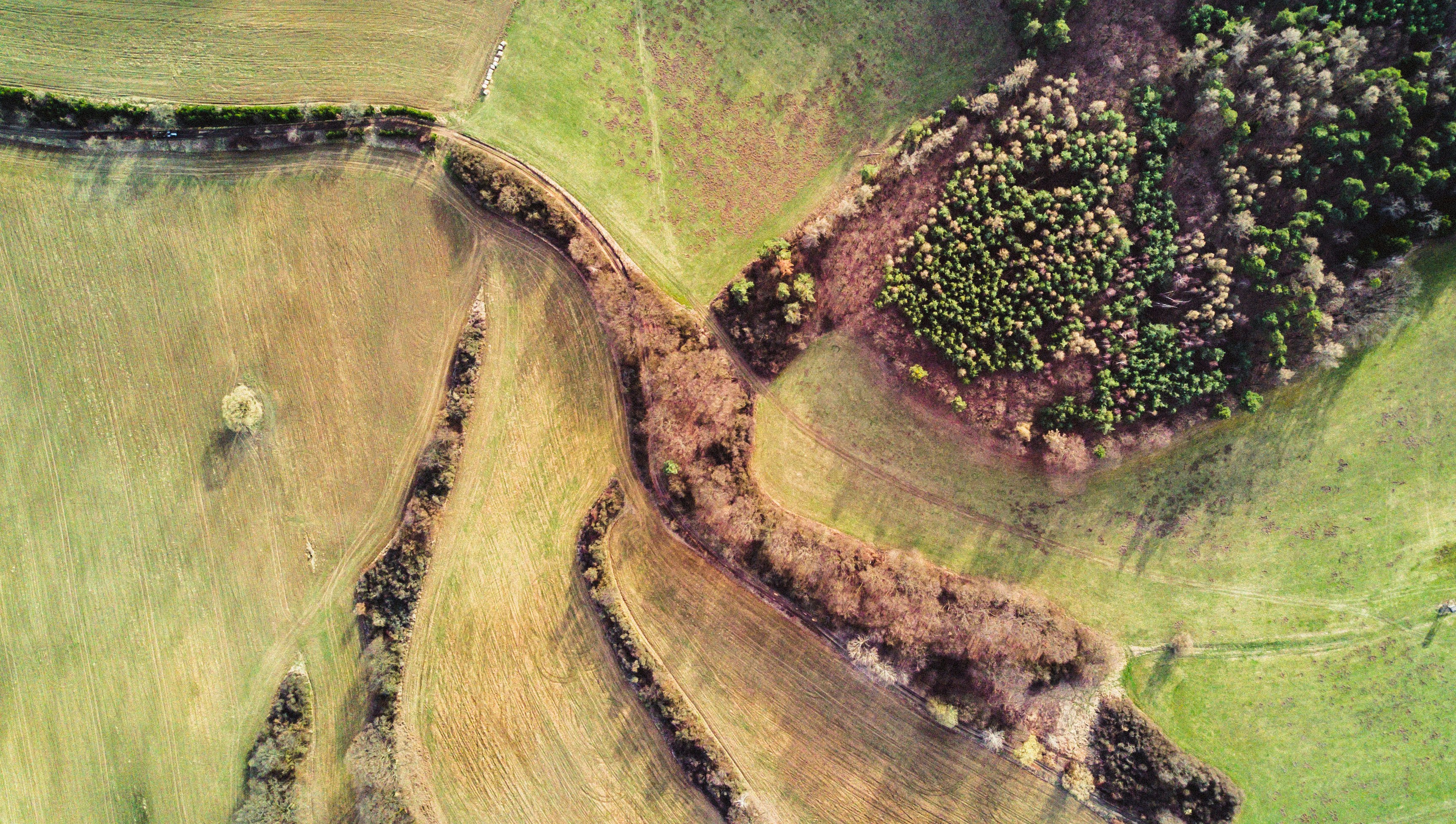
The Garza family had held this mixed-use property for three generations. When the eldest son inherited a $680,000 estate tax bill, selling felt inevitable. What they didn't know was that the creek corridor running through the south pasture qualified for a conservation easement that would permanently protect the riparian habitat — and generate a federal tax deduction that changed the math entirely.
We brought in a land trust and a ranch tax attorney before a single sign went up. The easement covered 140 acres of bottomland, generating a $1.1M conservation deduction. The family retained the upland, the improvements, and the mineral rights. They sold the northern tract — 180 acres of improved pasture — to a neighboring operator at full market value. The family kept the home place and erased the tax burden.

What Nobody Told the First-Time Buyer About Water Rights
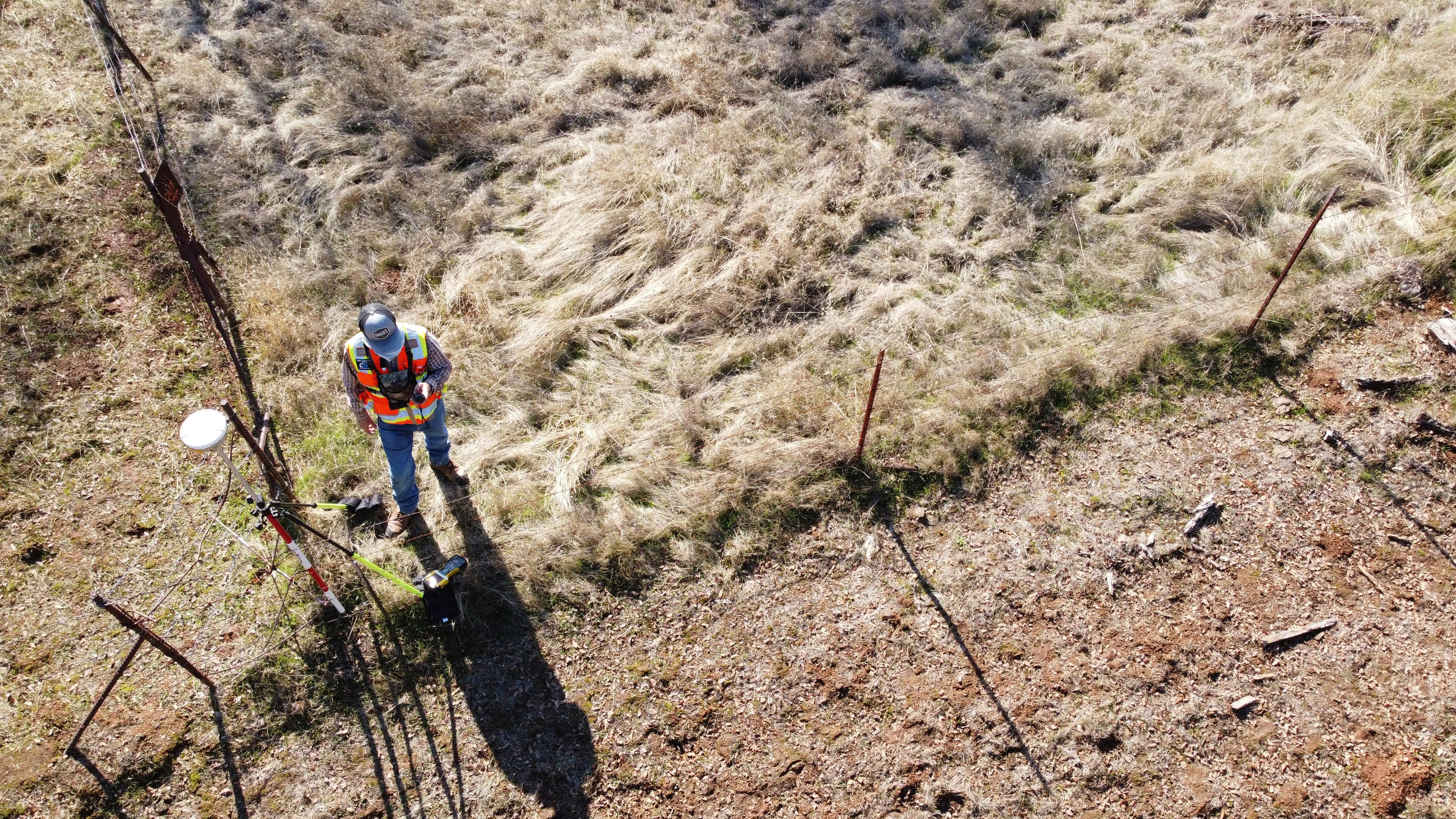
Marcus had saved for five years. He knew what he wanted: twenty acres with a well, enough room for horses, and a place his kids could grow up outside. He'd looked at eleven properties and made two offers before reaching out. Both fell apart at inspection — once over a shared well agreement he hadn't understood, once over a dry stock tank that had been photographed after a wet spring.
We walked every fence line before he made an offer. We pulled the well log, confirmed the Edwards Aquifer permit, and had a licensed well inspector on-site before he'd written a check. When we found the property — 22 acres in Blanco County with a 280-foot domestic well and seasonal creek — we structured the offer with a 21-day inspection period and a contingency tied to a 4-hour pump test. Marcus closed in 34 days. Two years later, the well still runs strong.
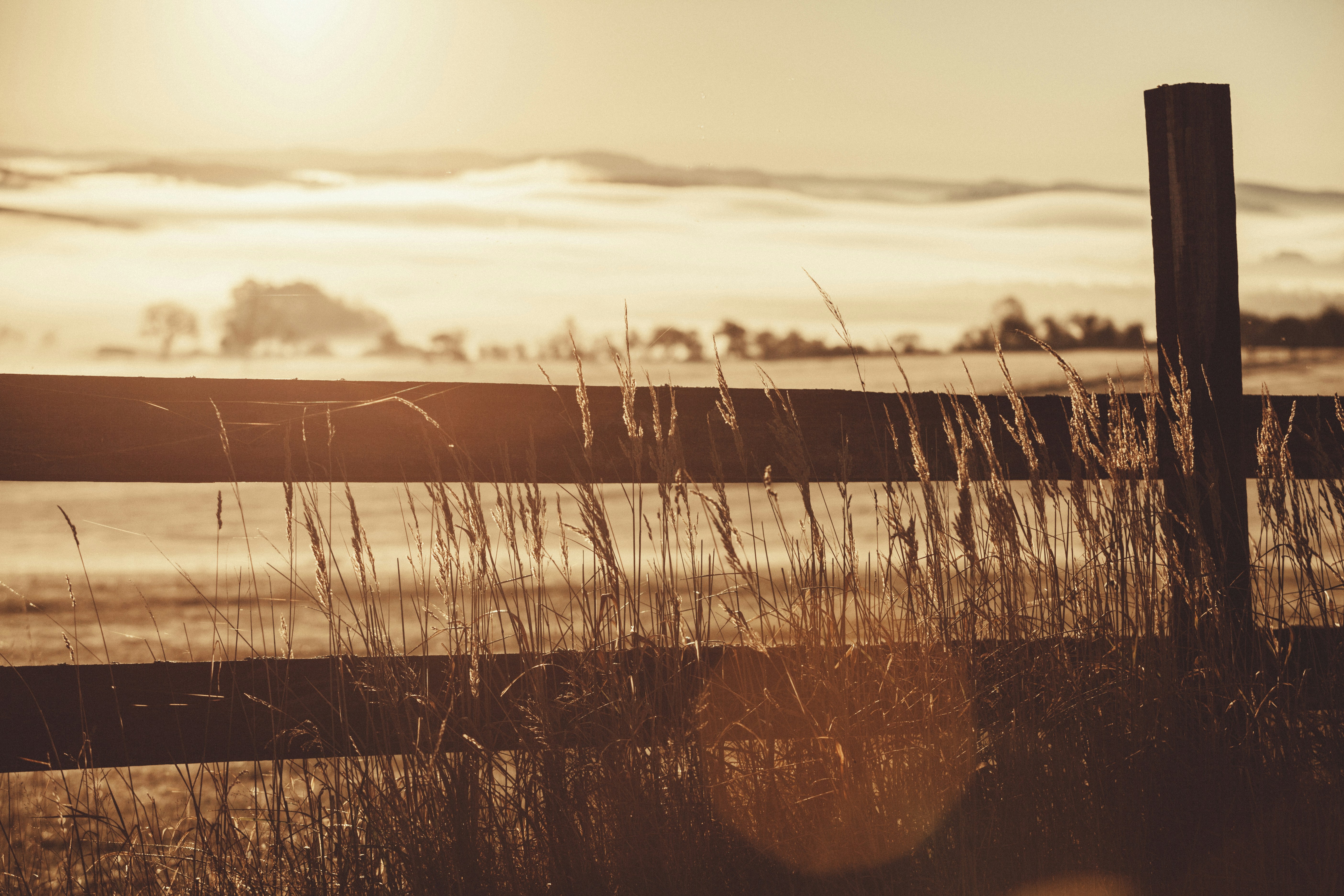
I read soil surveys
before I read contracts.
Eighteen years of ranch transactions across the Texas Hill Country taught me that the difference between a good deal and the right deal starts at the fence line, not the closing table. I grew up on a working cattle operation in Llano County. I know what bottomland costs and why. I know what a 280-foot well log means for a dry summer.
My clients aren't selling houses. They're selling water rights and grazing leases and decades of work. That deserves someone who understands the difference.
Find Out What Your
Land Is Worth
Five questions. No forms. Just the right questions — the same ones a qualified buyer will ask before they ever make an offer.
How many acres are you working with?
Give us your best estimate — we can refine this together.
The quiet after
the right offer.
Every one of these clients came in with something to protect. Every one of them left with more than they expected.
We'd owned that land since my grandfather broke it. I didn't want a fast sale — I wanted the right one. This agent understood the difference between what the county assessor thought it was worth and what a buyer who actually wanted to run cattle would pay. We got both.
I came in knowing nothing about water rights, nothing about easements, nothing about what a good well log even looks like. By the time we closed, I understood every document we signed. That's rare. That's worth paying for.
The conservation easement idea came from this agent — not our accountant, not our attorney. That one conversation changed our entire tax situation and kept the family property in the family. I can't put a number on that.
Eleven days from listing to competing offers. I thought that only happened in suburban neighborhoods. Turns out it happens when someone positions a ranch correctly and knows exactly who the right buyer is.
Properties on
the market now.
Not selling? Browse what's available. Every listing comes with full soil survey, water documentation, and fence-line notes.
View all listings
- Live water creek
- 3 stock tanks
- Working pens
- Improved perimeter fence
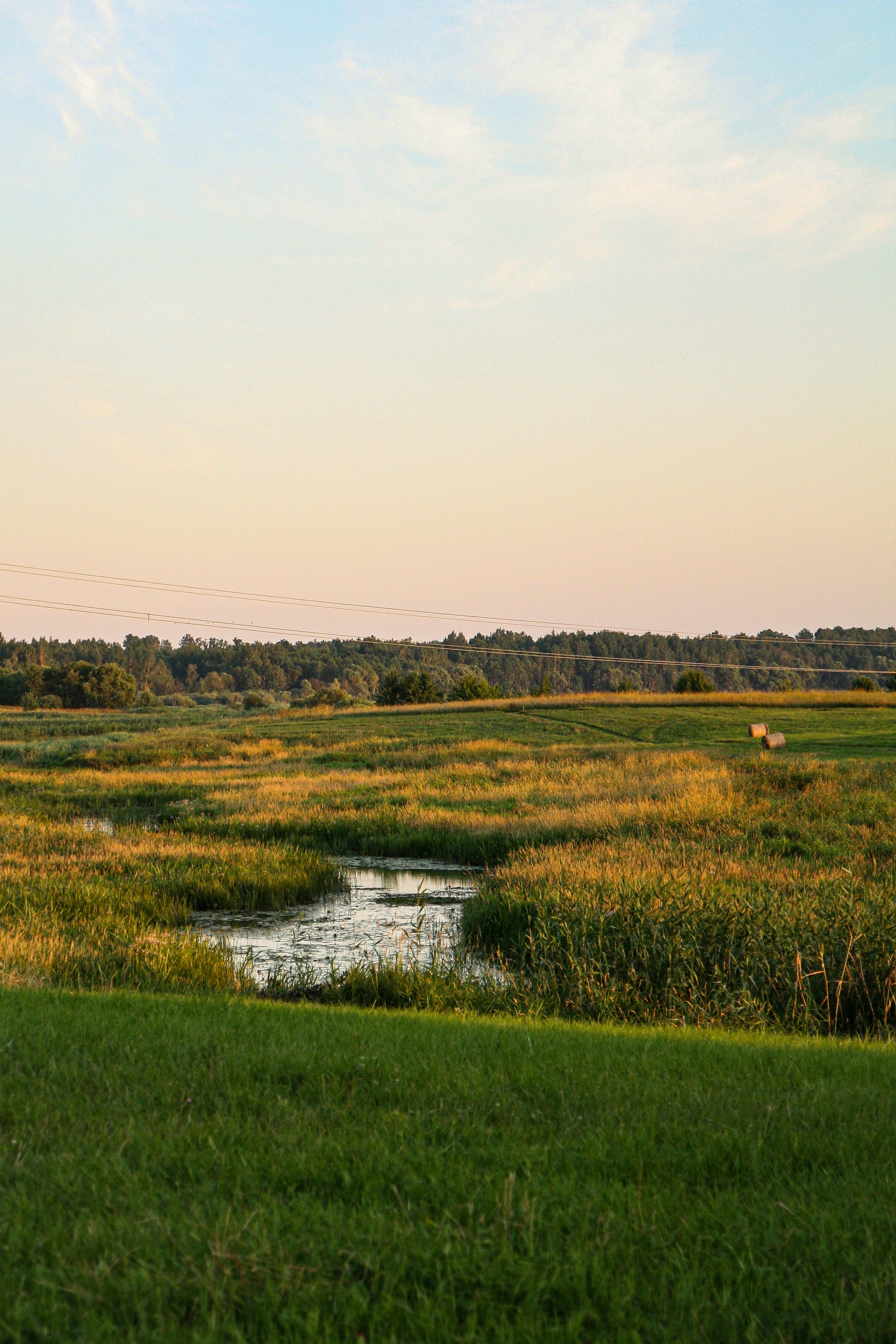
- Seasonal creek
- Hunting blind & feeder
- Cabin / hunting camp
- Road system
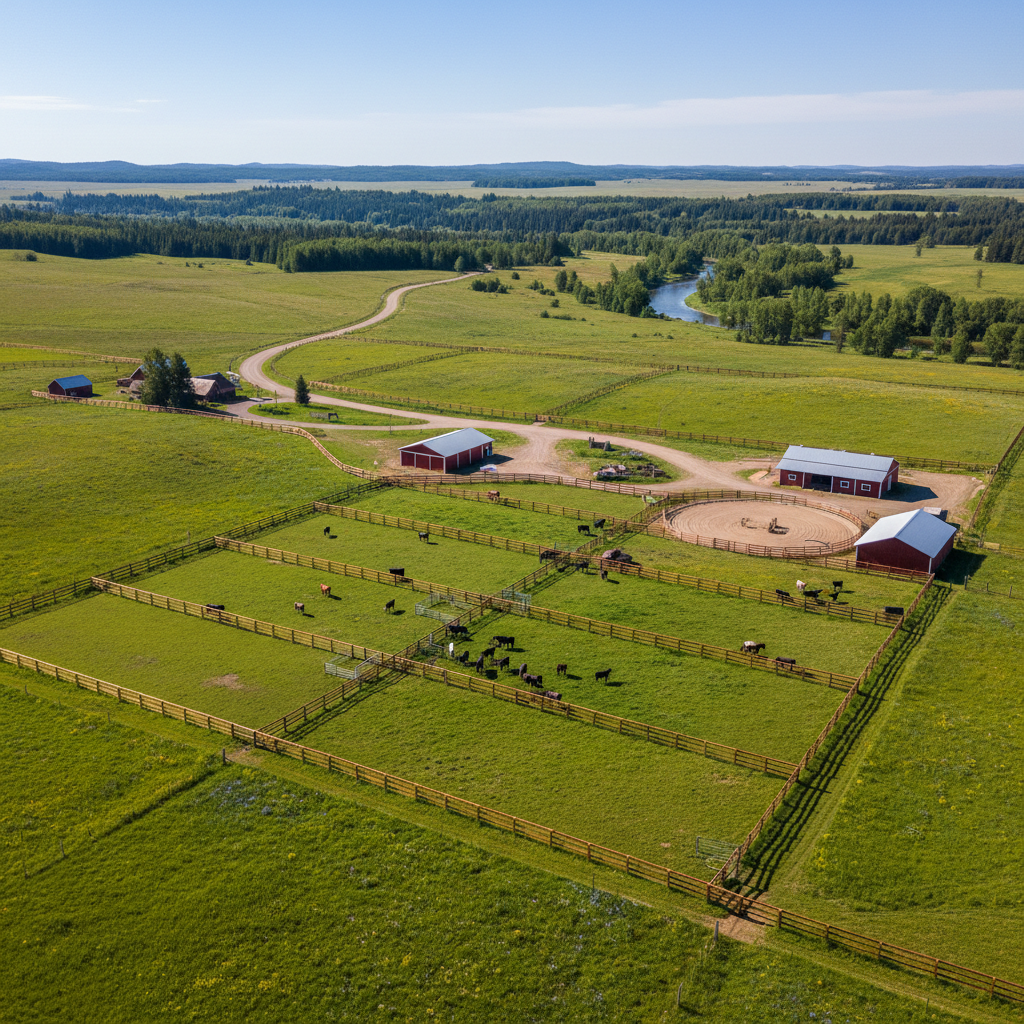
- Spring-fed water
- Headquarters complex
- Cedar-cleared pastures
- Mineral rights